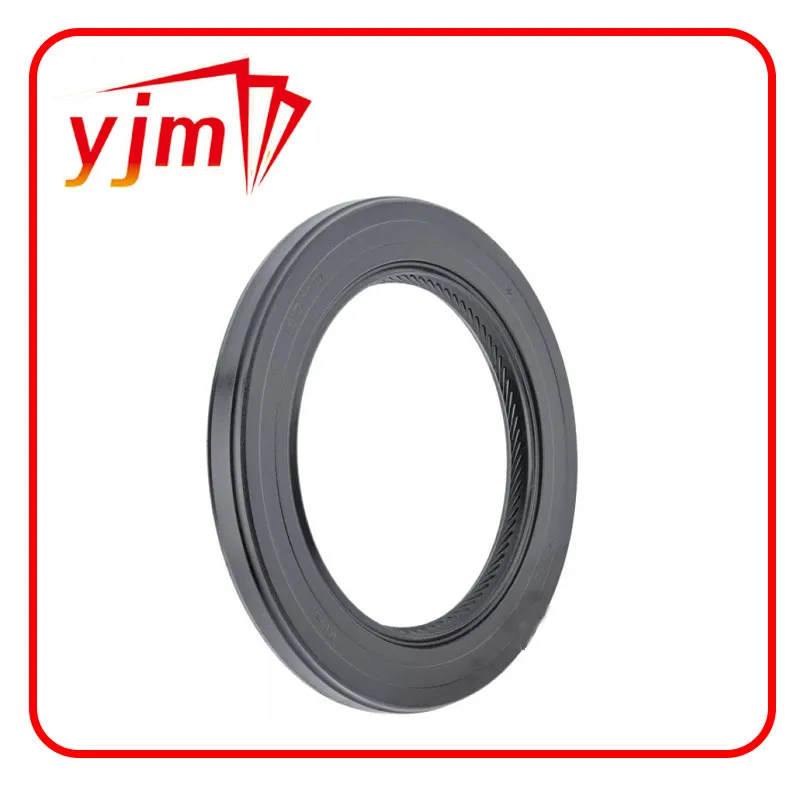
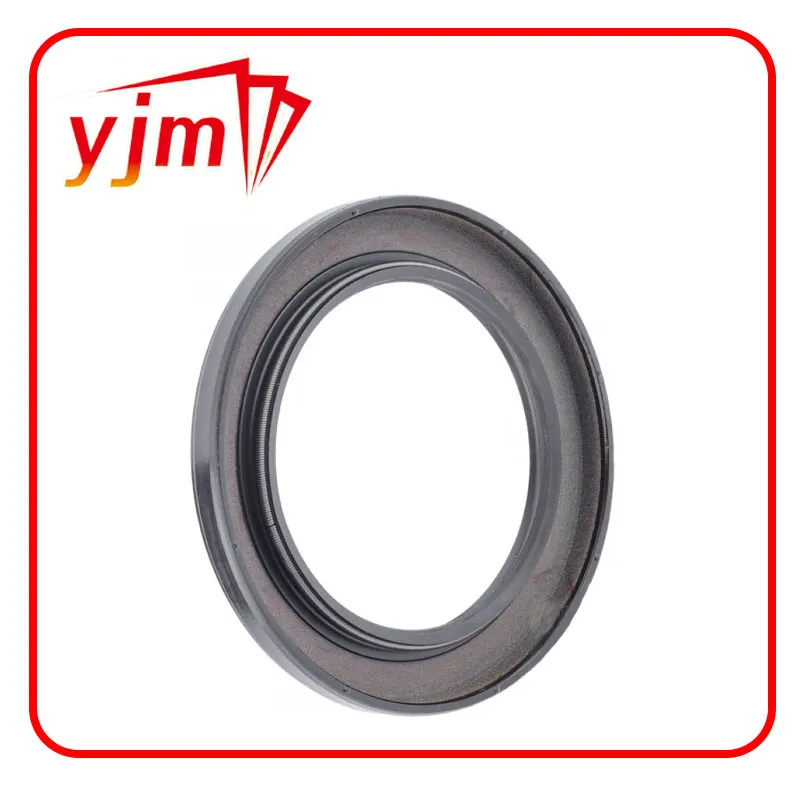

Oil Pump Seal 9031143010
Condition (used or new):New Type:Radial oil seal External diameter (mm):62 Internal diameter:42 Supplier:A Height (mm):6 Transmission type (model):U660E U760E Item: 9031143010 Genuine Toyota SEAL,
Send Inquiry
Product features
Product description
| Item: | 9031143010 Genuine Toyota SEAL, OIL (FOR FRONT OIL PUMP), part number 90311-43010 |
|---|---|
| Condition: | 100% genuine new OEM part |
Is an oil pump vacuum sealer better than a dry pump vacuum sealer?
When comparing an oil pump vacuum sealer with a dry pump vacuum sealer, consider their design, performance, and intended applications. Both remove air from packaging to help preserve food or other products, but they differ in power, durability, and maintenance requirements. Which option is better depends largely on how it will be used and what the user prioritizes.
An oil pump vacuum sealer, also called a chamber vacuum sealer with an oil-lubricated rotary vane pump, is generally more powerful, efficient, and durable than a dry pump model. Oil pumps can achieve a deeper vacuum—typically down to 29.9 inHg or below 1 mbar—so they are suited to commercial and heavy-duty use. The stronger vacuum helps preserve food by significantly slowing oxidation and bacterial growth. Oil pump sealers can also handle moist, liquid-rich, or delicate foods more effectively. For example, they make it easier and safer to seal soups, stews, marinated meats, and sous-vide preparations.
Oil pump vacuum sealers also tend to run more quietly and at lower temperatures because of the oil’s lubricating effect. This can contribute to a longer service life, particularly in high-volume settings such as restaurants, butcher shops, and food production facilities. These machines are designed for continuous operation without overheating, making them a popular choice for professional use.
By comparison, a dry pump vacuum sealer—often found in smaller, more portable machines—is convenient, requires less maintenance, and suits light to medium household use. Dry pumps do not need oil changes, which simplifies upkeep. They are also generally lighter, more affordable, and easier to store. For occasional vacuum sealing, particularly of dry foods such as nuts, grains, or solid cuts of meat, a dry pump machine may be entirely adequate.
However, dry pump sealers may have difficulty sealing liquids or producing a very deep vacuum, potentially reducing effectiveness for long-term storage. Frequent operation can also make them more prone to overheating, and their motors often have a shorter service life than oil-lubricated alternatives. Some users also report increased noise and vibration.
For a home user with occasional vacuum-sealing needs, a dry pump vacuum sealer is often more cost-effective, simpler to operate, and easier to maintain. For professionals, frequent sealing of liquid-based products, or high-volume use, an oil pump vacuum sealer is generally the stronger choice for vacuum power, speed, and durability. Its upfront cost and maintenance needs—such as periodic oil changes and filter checks—may be higher, but the performance benefits can be significant for users who need reliability and precision.
Ultimately, the choice depends on your priorities: convenience and minimal upkeep, or greater power and long-term performance.
How can I tell if my pump seal is failing?
Recognizing a failing pump seal is important for preventing equipment damage, fluid loss, or operational problems. Pump seals help stop liquid or gas from escaping the pump housing, particularly around rotating shafts. A worn or damaged seal can reduce pump efficiency, increase maintenance costs, and cause serious mechanical damage if left unresolved. Several warning signs can indicate that a pump seal needs attention.
One of the clearest signs is visible leakage. Water, oil, coolant, or another fluid leaking near the pump shaft may indicate mechanical seal failure. Even minor dripping can be a concern, especially in high-pressure or high-temperature systems. As seals wear or become damaged, they may no longer maintain close contact, allowing fluid to escape.
Unusual pump noise is another common warning. A worn seal may cause abnormal friction or allow air into the system, resulting in grinding, squealing, or rattling sounds. These noises can indicate that internal components are misaligned or experiencing excessive stress because of the leak.
A drop in system pressure or performance may also point to a leaking seal. The pump may be unable to generate adequate suction or discharge pressure, resulting in weak water flow, slower fluid movement, or difficulty priming. In industrial or HVAC systems, a performance drop can also affect downstream equipment.
In some situations, a burning smell or heat near the pump may indicate seal failure. Leaking fluid that reaches the motor or electrical components can cause overheating, short circuits, or even fire hazards. Excess friction from a damaged seal can also generate heat, accelerating wear and increasing the risk of failure.
Contamination in the pumped fluid is another possible indicator. A faulty seal may let external substances such as dust, dirt, or air enter the system. This can affect fluid quality or damage sensitive internal components. In food processing or chemical applications, contamination may also create health and safety risks.
Routine inspection can reveal early seal wear. If the pump has been disassembled, check the seal material for cracks, hardening, or uneven wear. A serviceable seal should remain flexible and intact. Scoring or signs of chemical attack may mean replacement is needed.
More frequent maintenance or recurring pump problems may also signal an underlying seal issue. If you regularly need to top up fluids, replace bearings, or clean the area around the pump, a leaking or worn seal that has not been properly addressed could be the cause.
Common signs of a bad pump seal include leaks, unusual noise, heat, reduced performance, and visible wear. Regular maintenance and early detection can help prevent costly damage and system downtime. If you suspect the seal is failing, shut down the pump, inspect the seal, and replace it with a compatible, high-quality part as soon as possible. Addressing seal problems early can extend pump life and help maintain safe, reliable operation.
Send an Inquiry
Related Products
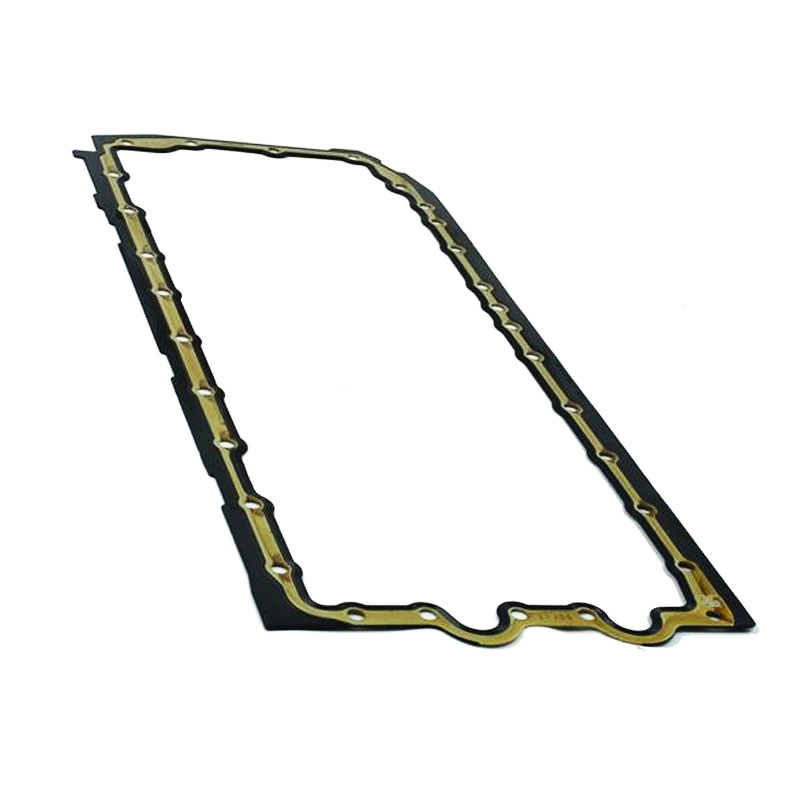
Yjm Oil Sump Gasket 11 13 7 600 482
Fitment The YJM oil sump gasket, reference 11 13 7 600 482, is listed for both left-hand-drive and right-hand-drive models. This fitment information is intended···
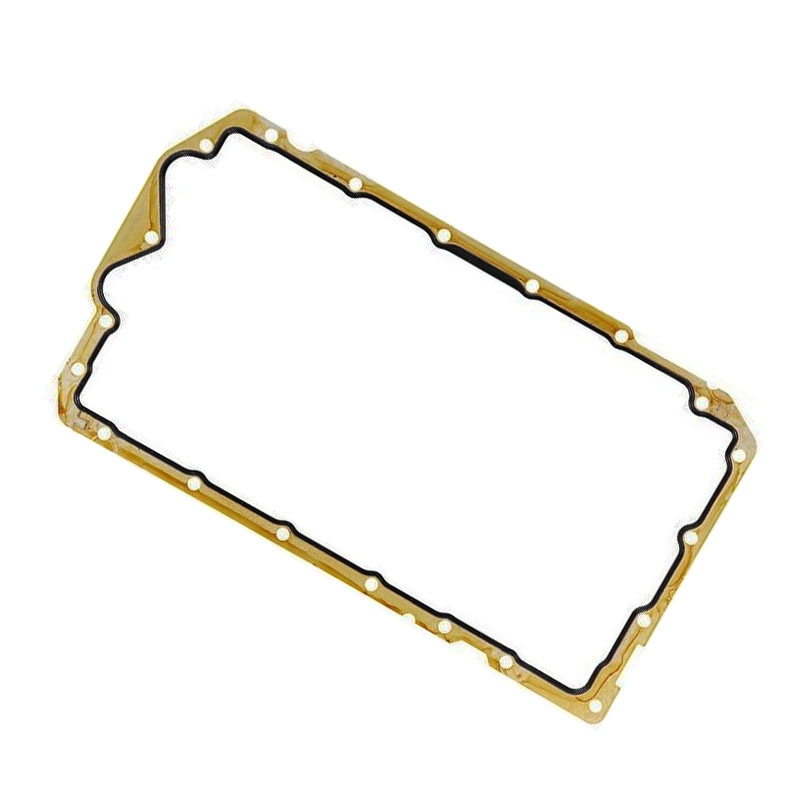
Yjm Oil Sump Gasket 11 13 7 511 224
Fitment This YJM oil sump gasket is listed for the BMW vehicle applications below. Use the fitment information as a starting point when identifying a replacemen···
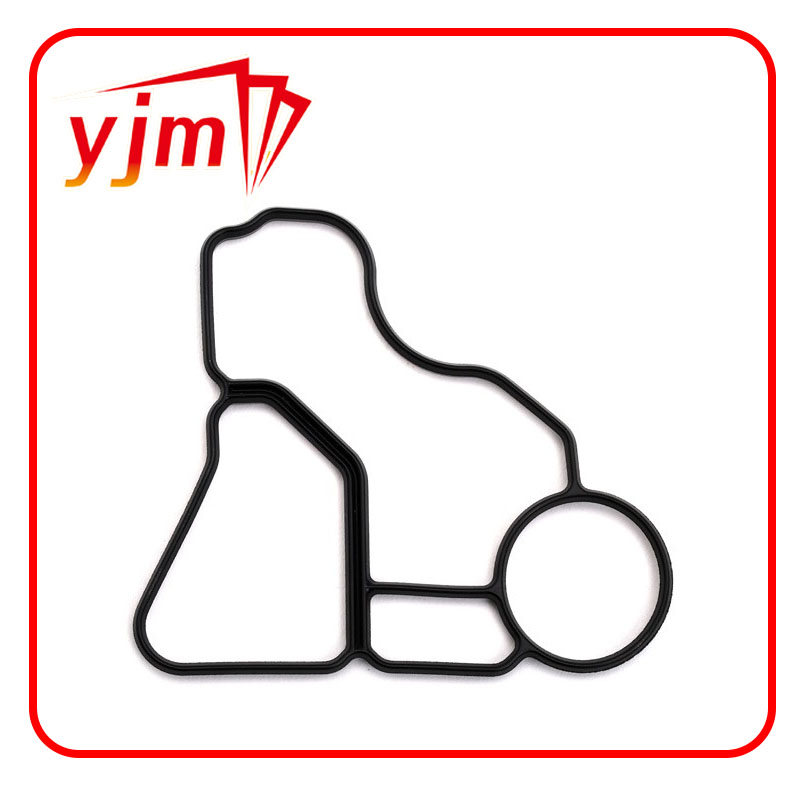
Seal Oil Filter Housing Engine Side Bmw Petrol 11427537293
This product is identified as a seal for the engine-side oil filter housing on BMW petrol vehicles. The product reference is 11427537293. When servicing the oil···
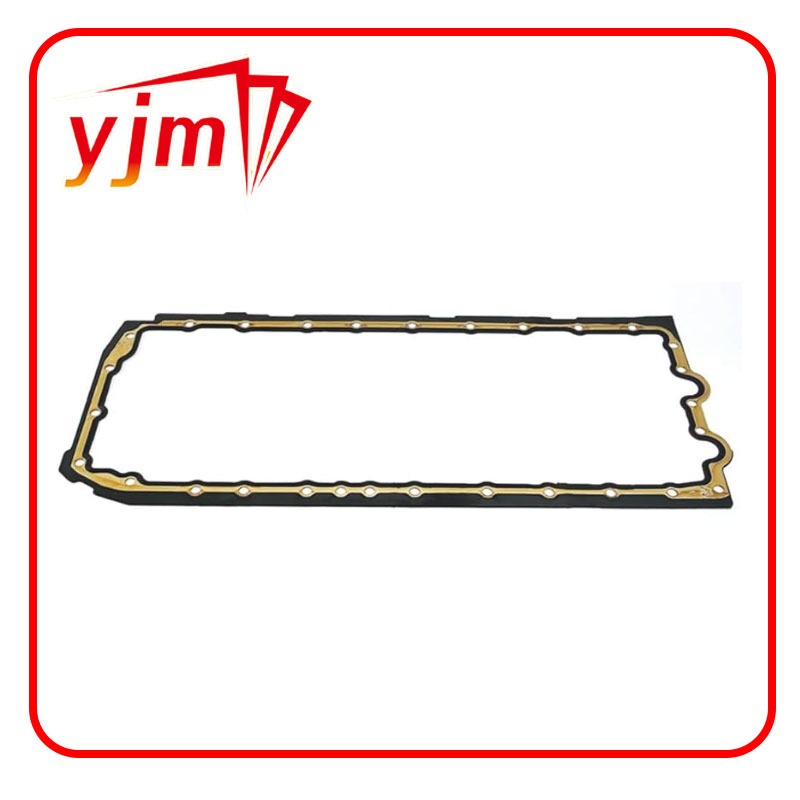
Oil Sump Gasket 11137548031 Bmw
BMW Oil Sump Gasket 11137548031 The oil sump gasket identified by part number 11137548031 is a BMW replacement part intended for use at the joint between the en···