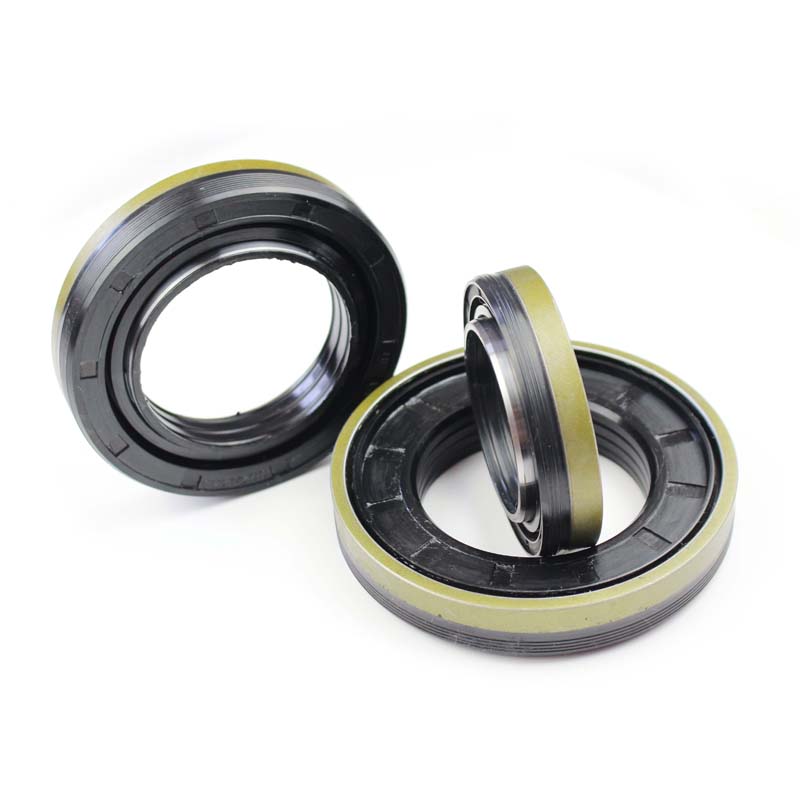
Cassette Seals
Shaft diameter: 0.500 to 14.000 inch, 10 to 350 mm Polymer material options: Nitrile Rubber (NBR, XNBR) and Fluorocarbon Rubber (FKM, FPM) Minimum operating temperature: -40 °F Maximum operating
Send Inquiry
Technical Specifications
Shaft diameter: 0.500 to 14.000 inch, 10 to 350 mm
Polymer material options: Nitrile Rubber (NBR, XNBR) and Fluorocarbon Rubber (FKM, FPM)
Minimum operating temperature: -40 °F
Maximum operating temperature: 400 (204 C) °F
Maximum shaft runout: 0.010"
Maximum shaft-to-bore misalignment: 0.010”
Maximum operating pressure: 0 to 7 psi
Maximum surface speed: 2000 to 3200 (10.2 to 16.3 m/s) ft/min
Seal type: Metal or rubber-covered metal seal casing
Shaft seal material: Rubber
Item Information
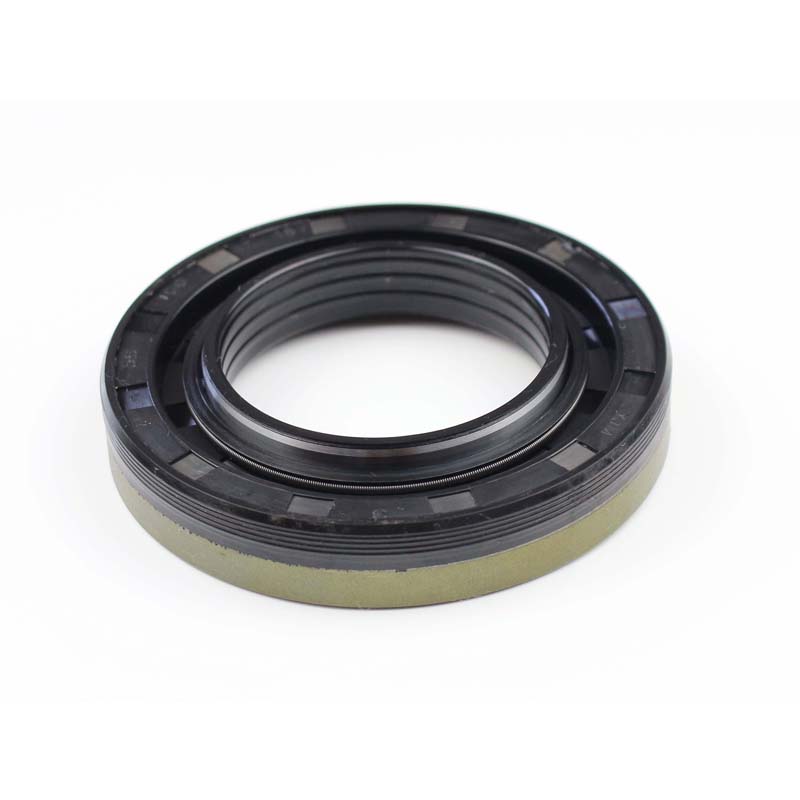
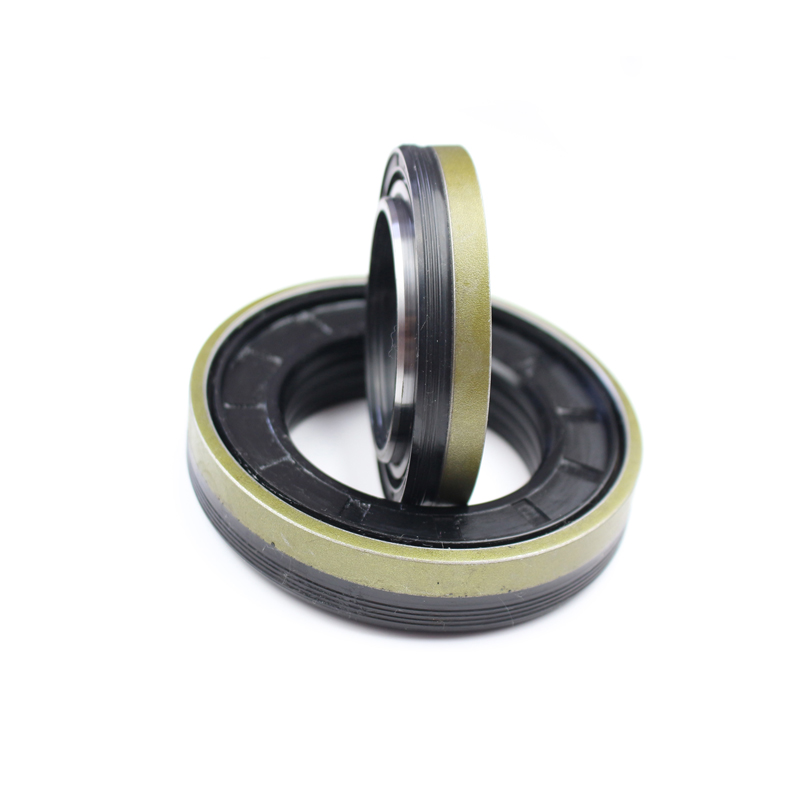
Cassette seals, also known as hub seals, are designed to provide dependable service in demanding applications. These complex rotary shaft seals are used in heavy-duty environments to retain fluids while keeping harsh contaminants out. Their unitized construction features spring-loaded sealing elements that run against a self-contained internal wear-sleeve surface. Multiple sealing contact points and excluder lips can be integrated into the wear-sleeve surface and/or positioned on the outside diameter. Designs with rubber-covered metal outer-diameter casings improve sealing against the bore and are suitable for soft-alloy housings.
YJM cassette seals are used in severe operating conditions, including:
- Wash-down applications on gear reducers used in food processing
- Mining, agriculture, and power-generation applications exposed to severe environmental debris
YJM supplies both standard and custom cassette seal designs. The operating conditions and severity of the environment determine which design is appropriate. Available design options may include:
- Excluder lips for added protection from contamination, pollution, water spray, and debris
- A patented axial face-seal surface to exclude dirt
- YJM sealant to fill small imperfections in the bore
- A rubber-covered outer diameter for improved sealing with thermal expansion
Standard Designs
- CB Profile: Metal case with standard YJM bore sealant. The CB design requires a special installation tool.
- CL and CH Profiles: Rubber-covered outer diameter for improved outer-diameter sealing and use with soft-alloy housings.
Custom designs with additional or alternative sealing or exclusion contact points may be engineered for special conditions, including high misalignment, pressure, or axial movement.
Typical Operating Ranges for Standard Designs
Standard Lip Materials
- NBR: Temperature range of -20F to +250F
- FKM: Temperature range of -40F to +400F
- Shaft surface speed: Up to 3200 fpm (16.3 m/s), depending on pressure
- Maximum pressure: 0 to 7 psi (0 to 0.48 bar), depending on shaft speed
- Size range: 1/2 to 14 inches (10 to 350 mm)
- Maximum shaft dynamic runout (TIR): 0.010” (0.254 mm)
- Maximum (STBM) misalignment: 0.010” (0.254 mm)
Typical Applications
Cassette seals are used in severe-service applications, including reducers, gearboxes, and torque hubs.
How Do You Install a Cassette Seal?
Installing a cassette seal requires careful handling and precise fitting to support effective sealing and long service life. This is especially important in heavy-duty equipment such as agricultural machinery, trucks, and construction equipment. A cassette seal is an integrated unit that contains multiple lip seals and a sleeve, and often includes a pre-lubricated cavity. Its design helps protect against contaminants such as mud, dust, and water.
Prepare the components thoroughly before installation. Clean the shaft and the housing bore, removing dirt, old sealant, rust, and burrs. Check the shaft for wear, scoring, or eccentricity, as these conditions can cause premature seal failure. Repair or replace a damaged shaft as needed. Make sure all components are dry and free of oil before handling the new seal.
Lubrication is an important part of the process. If the cassette seal is not pre-lubricated, apply a thin film of compatible grease or oil to the sealing lips and shaft surface. Lubrication reduces friction during initial startup and helps prevent dry running. Avoid applying too much, since excess grease can cause pressure buildup.
Align the cassette seal carefully with the shaft during fitting. Protect the sealing lips from damage by using a guide sleeve or plastic wrap over the shaft edges. Use a suitable installation tool or press to push the seal evenly into the housing bore. Do not strike the seal directly with a hammer, as this may distort or misalign it. When using manual tools, apply force evenly around the outer ring.
After the seal is seated flush with the housing, check its alignment and confirm that it is fully installed without gaps or tilt. Rotate the shaft by hand to verify smooth movement and correct fit. Reassemble any removed components, then test the equipment for leaks or unusual noises.
In summary, cassette seal installation involves clean preparation, appropriate lubrication, careful alignment, and controlled pressing. Following these steps helps provide reliable sealing, reduce maintenance requirements, and extend equipment service life.
What Are Cassette Seals?
Cassette seals are advanced sealing units made to protect equipment in harsh, demanding environments. They are commonly used in off-highway vehicles, agricultural machinery, construction equipment, and heavy trucks, where high contamination, extreme loads, or extended service life are important considerations. Compared with traditional oil seals, cassette seals have a more complex design that provides multiple layers of protection.
A cassette seal combines several components in one unit: multiple sealing lips, a metal or elastomeric outer case, and an inner sleeve or wear sleeve that interfaces with the shaft. The inner sleeve helps protect the shaft from wear, while the sealing lips retain lubricant and exclude contaminants. These seals are often pre-lubricated with grease to provide protection from the outset and reduce friction during initial operation.
A key advantage of cassette seals is their resistance to dirt, water, mud, and other abrasive particles. Multiple sealing lips, often combined with a labyrinth design, trap and redirect contaminants away from the sealing area. This helps improve the durability of sealed components and reduce maintenance frequency and equipment downtime.
Typical applications include wheel hubs, axle assemblies, transmissions, and final drives. Their robust construction and ability to accommodate misalignment and shaft runout make cassette seals suitable for operating conditions in which traditional seals may fail prematurely.
In summary, cassette seals are high-performance sealing units for demanding conditions. Their integrated construction, multiple sealing layers, and contamination-resistant features support reliability, efficiency, and extended service life in modern heavy-duty machinery.
Cassette Seal Types
Cassette seals are available in different types to suit the requirements of specific applications. They may be categorized by construction, the number of sealing lips, materials, and the level of environmental protection provided. Understanding the available types can help with selecting a seal for heavy-duty applications in tractors, trucks, construction machinery, and off-road vehicles.
A standard cassette seal typically features a metal outer casing, an integrated wear sleeve, and multiple sealing lips. These often include a primary lip for lubricant retention, secondary lips for dust exclusion, and sometimes an additional dirt-exclusion lip. This type is suited to general-purpose applications that require both oil retention and dirt exclusion.
Heavy-duty cassette seals are designed for extreme environments with significant exposure to mud, dust, or water. They may have reinforced lip structures, additional sealing elements such as a labyrinth channel, and pre-lubricated grease compartments. These seals are widely used in construction and agricultural machinery, particularly in wheel-end applications.
Low-friction cassette seals are designed to reduce energy loss caused by friction between the sealing lips and the shaft. They are suitable for fuel-efficient systems where minimizing heat generation and power loss is important, including modern transmission systems and drivetrains.
Custom cassette seals are engineered for specific machinery or operating conditions. Their dimensions, materials (such as Viton, NBR, or PTFE), and lip configurations can be tailored to the application. Custom designs are often considered when standard solutions do not meet performance requirements.
Cassette seal types include standard, heavy-duty, low-friction, and custom designs, each suited to different performance requirements. Selection depends on factors such as load, speed, temperature, and contamination levels. Choosing the right type is important for dependable sealing performance and for minimizing equipment wear and downtime.
Send an Inquiry
Related Products
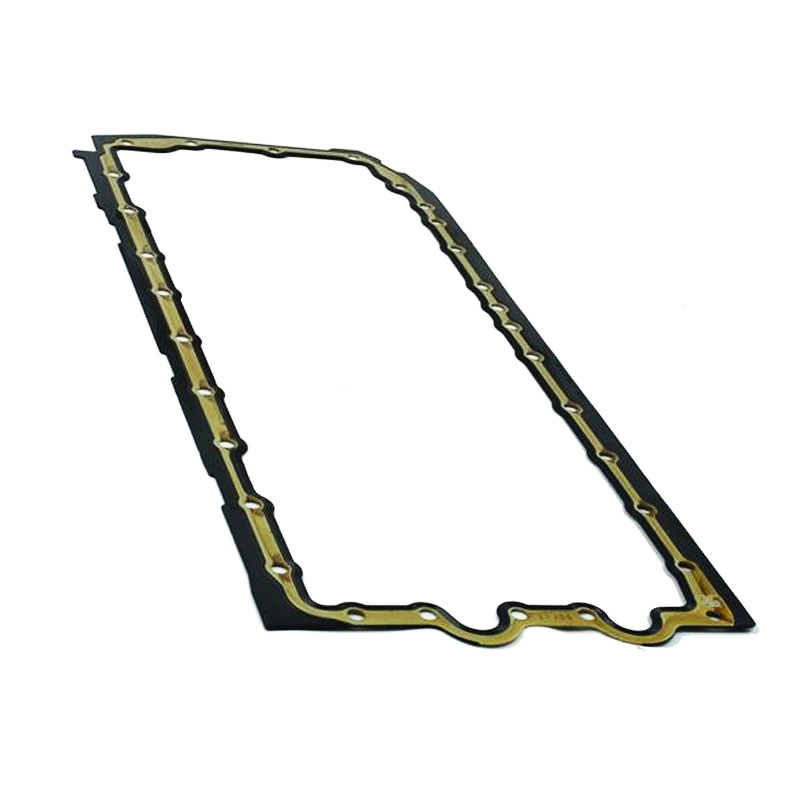
Yjm Oil Sump Gasket 11 13 7 600 482
Fitment The YJM oil sump gasket, reference 11 13 7 600 482, is listed for both left-hand-drive and right-hand-drive models. This fitment information is intended···
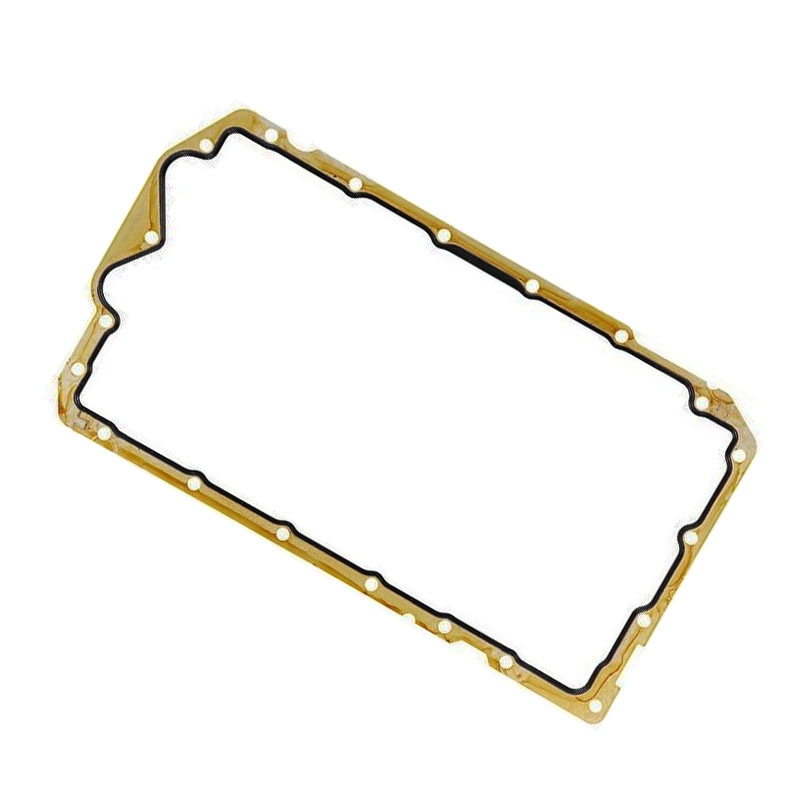
Yjm Oil Sump Gasket 11 13 7 511 224
Fitment This YJM oil sump gasket is listed for the BMW vehicle applications below. Use the fitment information as a starting point when identifying a replacemen···
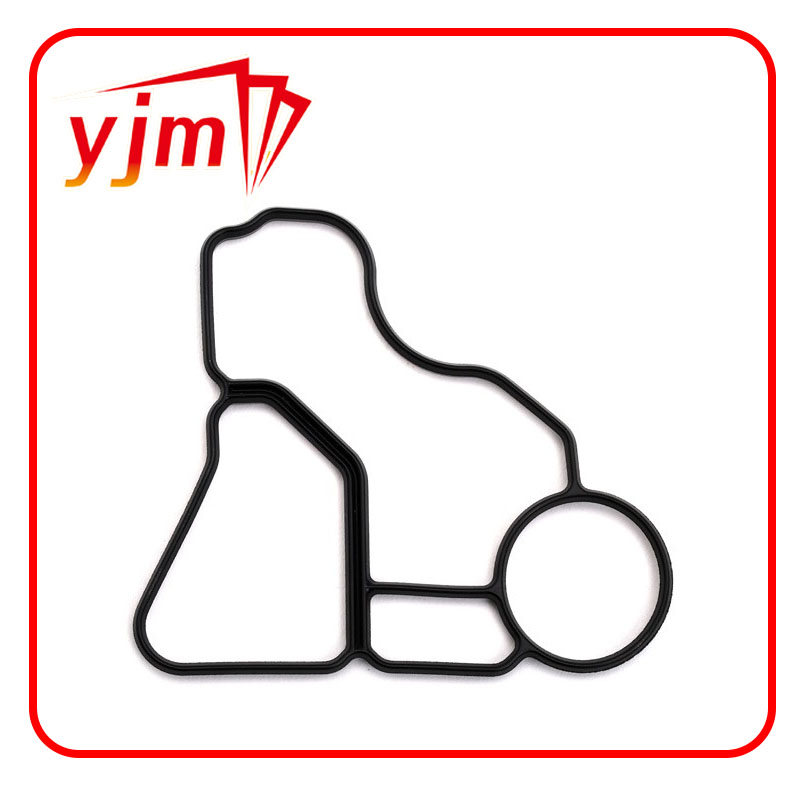
Seal Oil Filter Housing Engine Side Bmw Petrol 11427537293
This product is identified as a seal for the engine-side oil filter housing on BMW petrol vehicles. The product reference is 11427537293. When servicing the oil···
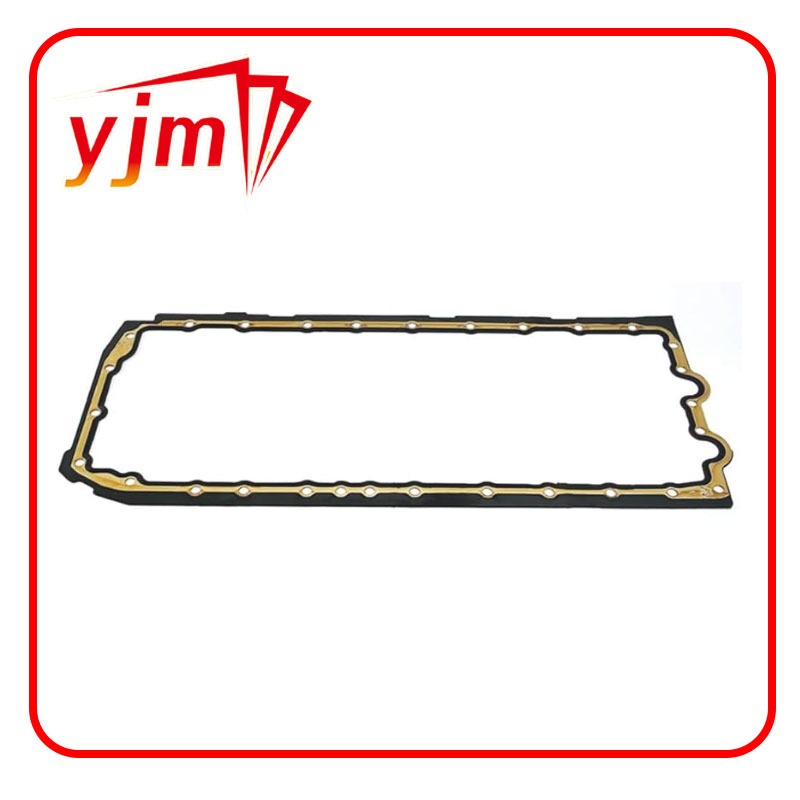
Oil Sump Gasket 11137548031 Bmw
BMW Oil Sump Gasket 11137548031 The oil sump gasket identified by part number 11137548031 is a BMW replacement part intended for use at the joint between the en···