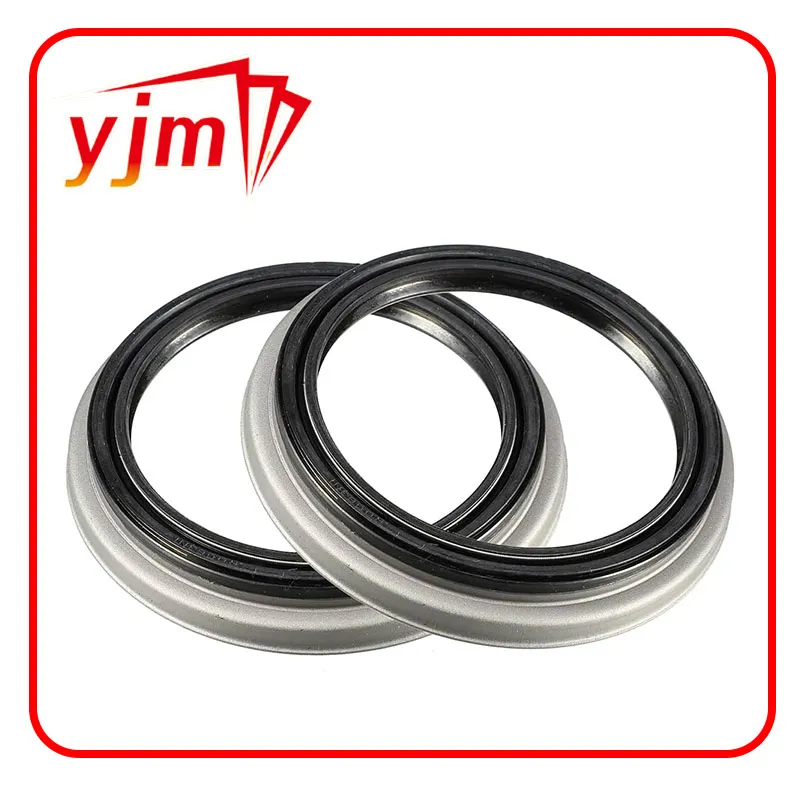
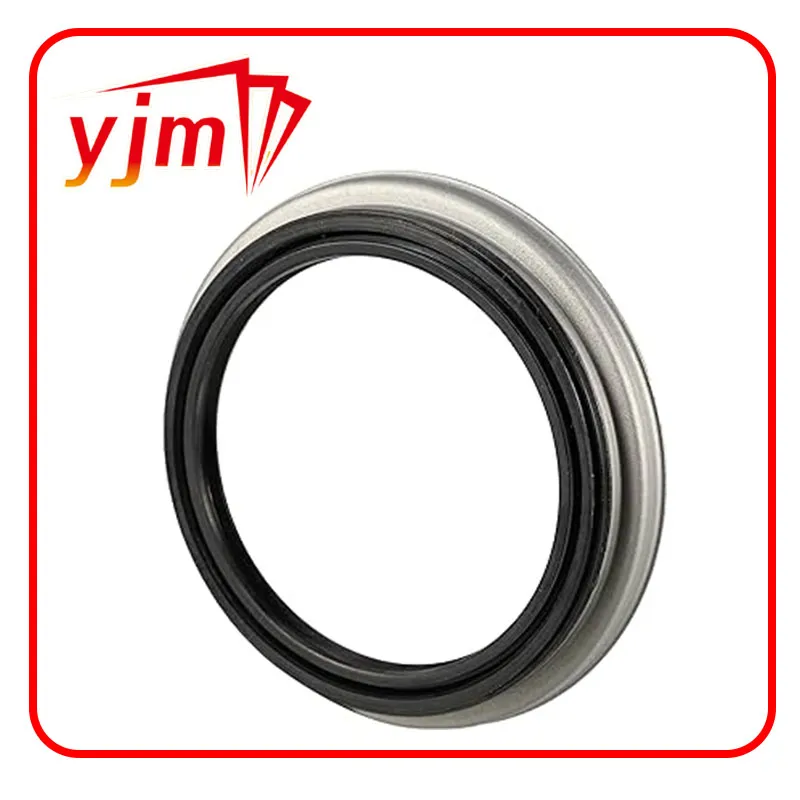
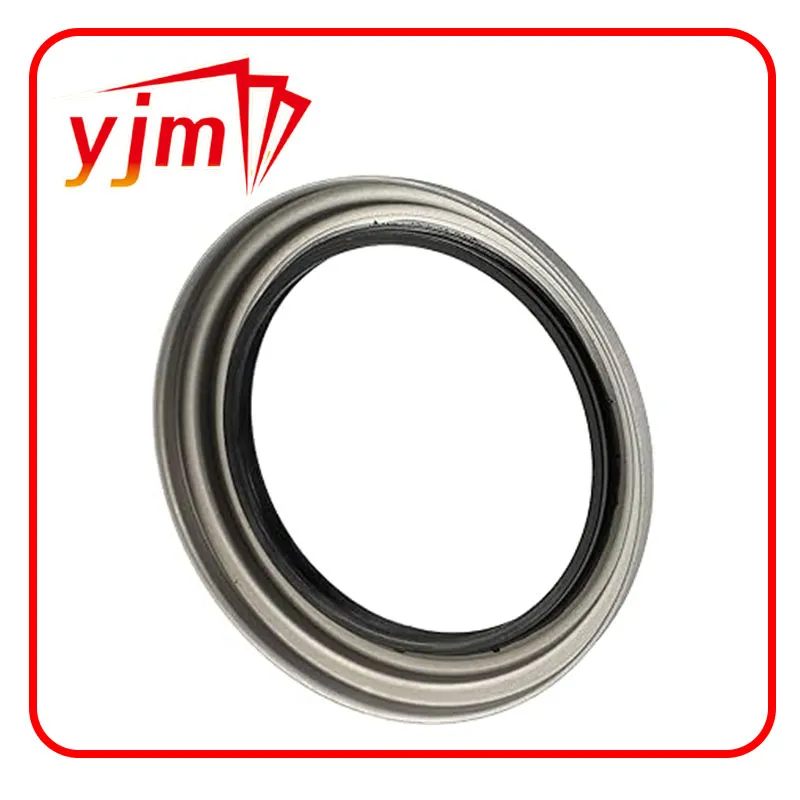
Engine Crankshaft Oil Seal 9031683001
The crankshaft seal, also known as the front or rear main seal, is a small but essential component in an internal combustion engine. It prevents oil from leaking where the crankshaft exits the engine
Send InquiryEngine Crankshaft Oil Seal 9031683001: Function and Purpose
The crankshaft seal, also known as the front or rear main seal, is a small but essential component in an internal combustion engine. It prevents oil from leaking where the crankshaft exits the engine block and connects to other components, such as the timing system or transmission. Without a functioning seal, engine oil can escape, causing low oil levels, engine damage and, ultimately, engine failure.
What the Crankshaft Seal Does
The crankshaft rotates at high speed and drives engine components, including the pistons and timing belt or chain, and in some cases the transmission. A seal is needed where the crankshaft extends beyond the engine casing, at either the front or rear. Its main functions are to:
- Keep engine oil contained within the engine block.
- Help prevent contaminants such as dirt, dust and moisture from entering the engine.
- Withstand high temperatures and rotational speeds without degrading.
- Help maintain crankcase pressure, supporting engine performance and fuel efficiency.
There are two main crankshaft seal positions:
- Front crankshaft seal: Located near the timing cover, behind the crankshaft pulley.
- Rear crankshaft seal: Also called the rear main seal, it is located between the engine and the transmission.
How a Crankshaft Seal Works
A crankshaft seal is a circular rubber or synthetic ring fitted closely around the rotating crankshaft and into the engine housing. It often has a metal casing for rigidity and a rubber or silicone lip that remains in contact with the crankshaft surface.
Some seals have a spring-loaded inner lip, known as a garter spring, to maintain tension and help preserve a tight seal over time. Other designs use PTFE (Teflon) and rely on precise fitment; these are used in high-performance or long-life applications.
As the crankshaft turns, the seal forms a tight barrier against oil seepage, reduces friction between the rotating crankshaft and stationary engine housing, and helps maintain the integrity of the lubrication system for consistent oil pressure.
Types of Crankshaft Seals
Crankshaft seal designs vary according to engine design and manufacturer specifications. Common types include:
- Rubber seals with a garter spring: The most common type. A rubber lip and internal spring maintain pressure against the crankshaft. These seals are cost-effective and reliable for everyday use.
- PTFE (Teflon) seals: A high-end option used in modern engines. They offer long service life and improved resistance to heat and wear, and often do not use a spring.
- Cassette seals: An advanced design that includes a sealing lip, dust lip and often an integrated wear sleeve. These seals are intended for dirty or high-load conditions, such as heavy machinery or off-road vehicles.
Crankshaft Seal Materials
Material selection affects a crankshaft seal’s performance and service life. Common options include:
- Nitrile rubber (NBR): Offers good oil resistance and is commonly used.
- Viton (FKM): Provides high-temperature resistance and is used in performance engines.
- Silicone: Offers excellent flexibility and resistance to cold.
- Polytetrafluoroethylene (PTFE): Provides high durability and chemical resistance.
The seal material must resist engine oil, high temperatures (up to 250°C or 480°F) and the stresses of continuous movement.
Signs of a Failing Crankshaft Seal
A worn or damaged crankshaft seal can cause serious engine problems. Common warning signs include:
- Oil leaks: Visible oil dripping from the front or rear of the engine is one of the first symptoms. Oil puddles beneath the vehicle may also point to a faulty crankshaft seal.
- Low engine oil levels: A slow leak may go unnoticed until the oil level drops to a dangerously low point.
- Oil on the timing belt or flywheel: Leaking oil can soak critical components, including the timing belt, and lead to slippage or premature failure.
- Burning oil smell: Oil that reaches hot engine parts, such as the exhaust manifold, may produce a burning smell.
- Engine performance issues: Low oil levels or oil contamination can cause overheating and loss of lubrication, potentially leading to engine failure.
Common Causes of Crankshaft Seal Failure
Several conditions can contribute to crankshaft seal failure:
- Aging and wear: Rubber can harden over time and develop cracks.
- Heat degradation: Ongoing exposure to high temperatures can weaken the seal material.
- Improper installation: Misalignment or over-torquing can result in leaks.
- Contaminants: Dirt and debris can wear away the seal lip or shaft surface.
- Crankshaft wear or scoring: Damage to the crankshaft surface can prevent the seal from sealing properly.
Replacing a Crankshaft Seal
Replacing a crankshaft seal is labor-intensive. Although the part itself is inexpensive, the repair may involve several steps:
- Removing belts or pulleys to access the front seal.
- Removing the transmission to access the rear seal.
- Cleaning the crankshaft surface.
- Carefully pressing in the replacement seal without damaging it.
Because the procedure can be complex, replacement is usually best handled by a professional mechanic, particularly for the rear main seal.
Crankshaft Seal Preventive Maintenance
- Check engine oil levels regularly to identify slow leaks early.
- Inspect beneath the vehicle for signs of dripping oil.
- Replace timing belts or pulleys at the same time as the front crankshaft seal to save labor.
- Use quality engine oil to help minimize the breakdown of rubber components.
- Avoid harsh driving conditions that may accelerate seal wear.
Crankshaft Seal Replacement Cost
Replacement costs vary according to the vehicle’s make and model. Typical estimates are:
- Front seal replacement: $150–$400, including labor.
- Rear main seal replacement: $500–$1,200 or more, because the transmission must be removed.
Replacing the seal while related work is underway, such as timing belt service or clutch replacement, is often more cost-effective.
Although small, the crankshaft seal plays an important role in engine operation by preventing oil leaks and protecting internal components. A failed seal can cause oil loss, contamination and eventual engine damage. Regular maintenance, early leak diagnosis and timely replacement can help avoid costly repairs and support engine longevity. Whether fitted at the front or rear of the crankshaft, the seal is essential for keeping the engine sealed, lubricated and running smoothly.
Send an Inquiry
Related Products

Yjm Oil Sump Gasket 11 13 7 600 482
Fitment The YJM oil sump gasket, reference 11 13 7 600 482, is listed for both left-hand-drive and right-hand-drive models. This fitment information is intended···

Yjm Oil Sump Gasket 11 13 7 511 224
Fitment This YJM oil sump gasket is listed for the BMW vehicle applications below. Use the fitment information as a starting point when identifying a replacemen···

Seal Oil Filter Housing Engine Side Bmw Petrol 11427537293
This product is identified as a seal for the engine-side oil filter housing on BMW petrol vehicles. The product reference is 11427537293. When servicing the oil···

Oil Sump Gasket 11137548031 Bmw
BMW Oil Sump Gasket 11137548031 The oil sump gasket identified by part number 11137548031 is a BMW replacement part intended for use at the joint between the en···